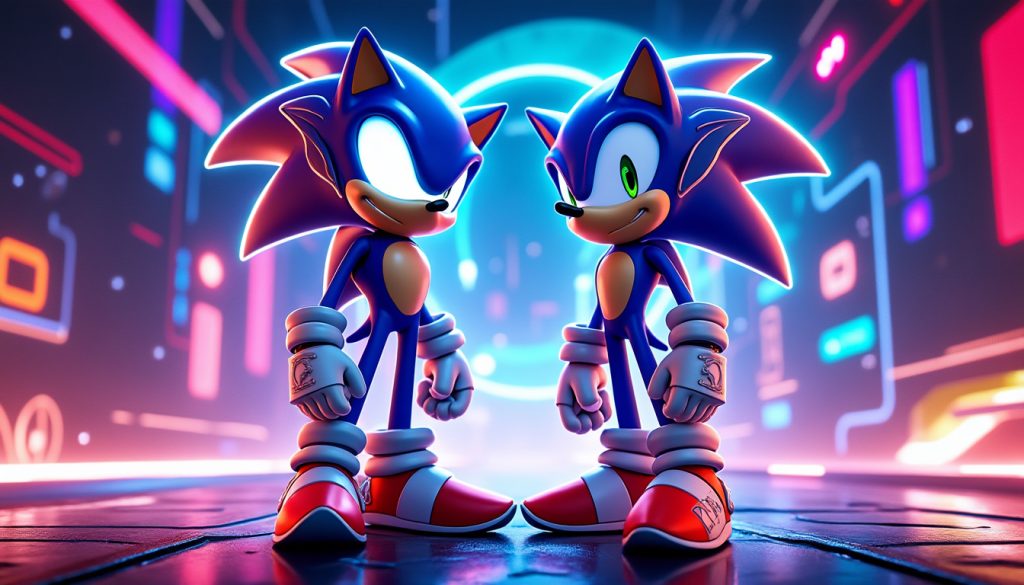
The iconic box art of Sonic the Hedgehog is more than just a nostalgic memory for retro gaming enthusiasts; it represents a significant moment in video game history that encapsulates the essence of a beloved character and franchise. Released in 1991 for the Sega Genesis, Sonic 1 not only introduced gamers to the speedy blue hedgehog but also played a crucial role in establishing Sega’s identity in a market dominated by Nintendo. The game’s marketing and its box art became synonymous with the Sega Genesis brand, making it an essential collectible for gamers and art aficionados alike.
This exploration examines the elements that contribute to the iconic status of Sonic 1’s box art, its influence on gaming culture, and the nostalgia it evokes among fans. From vivid colors and dynamic poses to its representation of Sega’s ethos, the box art of Sonic the Hedgehog serves as a lens through which we can understand the broader impacts of gaming aesthetics and marketing strategies.
The Aesthetic Appeal of Sonic 1 Box Art
One cannot discuss Sonic 1’s box art without acknowledging its vibrant colors and design. The artwork features Sonic in a dynamic pose, showcasing his speed and energy. This visual representation was unlike anything seen in the gaming industry at the time, providing a perfect encapsulation of the gameplay experience. The artwork helped create a striking visual identity that would define the Sonic franchise and Sega’s appeal in the 1990s.
Color Choices and Design Elements
The vivid color palette of the Sonic 1 box art draws attention immediately. Bright blues, greens, and reds create a sense of excitement and energy that perfectly aligns with the gameplay experience of the time. The contrast between Sonic’s blue hue and the rich green of the landscapes combined with the striking red logo effectively promotes the character and complements the Sega branding.
Additionally, the design elements of Sonic’s expressive face and posed stance hint at the fast-paced gameplay. This was an intentional strategy, as Sega wanted to convey the feeling of speed just by looking at the cover. The artwork tells potential players, “This is fast-paced fun.” It engages viewers immediately and invites them to explore the world of Sonic.
Cultural Impact of Sonic 1 Box Art
Upon its release, Sonic the Hedgehog quickly became a cultural phenomenon, and the box art played a significant role in elevating its status. This section explores how the artwork has contributed to the legacy of the Sonic franchise and shaped popular culture.
The Rise of Sega and Sonic Marketing
The success of Sonic 1 and its box art were pivotal in establishing Sega as a strong competitor against Nintendo. The combination of strategic marketing and a charismatic character allowed Sega to capture the attention of the gaming community. In an era dominated by the Super Mario franchise, Sonic posed a fresh alternative that resonated with gamers. His attitude and style, embodied in the colorful box art, reflected a new generation of gaming based on speed and continuous movement.
Sega carefully crafted Sonic’s image to appeal to the youth of the 90s. With his rebellious streak and confident demeanor, Sonic was marketed not just as a character but as an attitude. This resonated deeply with players, allowing the franchise to dominate the gaming conversation in the wake of Sonic’s debut.
Retro Gaming and Collecting Sonic Memorabilia
The significance of Sonic 1’s box art cannot be understated when it comes to the realm of gaming collectibles. Many fans seek authentic box art from Sega Genesis games, and Sonic 1 holds a special place in the hearts of retro gaming enthusiasts.
The Nostalgia Factor
For many gamers, Sonic 1 represents a formative moment in their gaming history. The iconic box art sparks nostalgia, calling to mind a simpler time when gaming was about discovery, enjoyment, and communal play. Collectors relish the opportunity to own a piece of this history, often paying premium prices for well-preserved boxes and gaming memorabilia featuring Sonic.
The Sonic franchise continues to release new games and content, but it remains tethered to its roots through its iconic imagery. The classic box art serves as a touchstone for long-time fans and new players alike, reinforcing the brand’s lasting power in a constantly evolving industry.
Game Box Art Analysis: Sonic 1’s Legacy
Analyzing Sonic 1’s box art unveils not only the aesthetic choices made by the designers but also underscores its influence on the video game industry at large. The art has inspired countless imitators and defined the standards for future video game marketing.
Innovation in Box Art Design
Sonic 1’s success opened the door for an era of colorful, character-driven box art designs that would become prevalent throughout the 90s and beyond. Following its release, many games adopted similar strategies, emphasizing their characters and gameplay through eye-catching graphics. The success of Sonic’s box art demonstrated that a strong visual identity could elevate a game’s appeal, change marketing strategies, and ultimately, affect sales.
This was a notable shift from the often simplistic box designs seen in the early days of gaming. As marketing and branding became essential components of the industry, Sonic’s box art exemplified the importance of visual storytelling and emotional engagement in promotional materials.
The Enduring Status of Sonic the Hedgehog
As we reflect on Sonic 1’s box art, it is clear that its legacy is deeply intertwined with the history of video games. Sonic the Hedgehog remains a key player in the industry, continuing to appear in various forms of media, including cartoons, comics, and movies. The box art serves as a cultural artifact representative of its time, yet its impact and appeal continue to resonate to this day.
The Legacy of Collectibles and Fan Culture
In the modern gaming landscape, collectibles related to Sonic and his iconic box art have flourished. From detailed action figures to classic game cartridges, the demand for Sonic memorabilia reflects both the character’s enduring popularity and the emotional connections fans have formed over the years.
Fans often come together at conventions, discussing their favorite Sonic memories, sharing collections, and celebrating the franchise’s expansive universe. This community support drives the continued success of Sonic, reinforcing the significance of the box art as a cornerstone of gaming nostalgia and culture.


