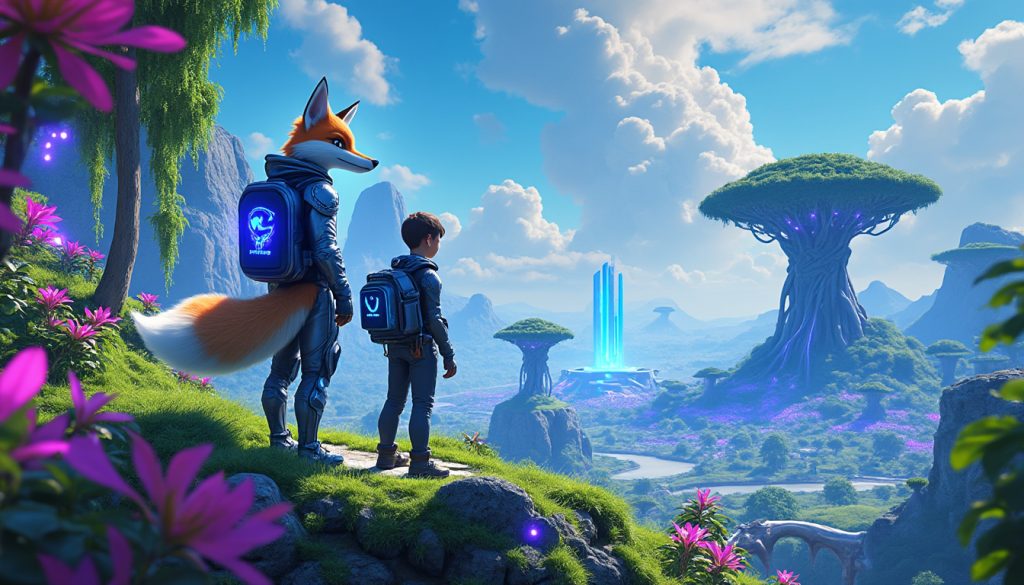
The Tunic game has captivated audiences with its intricate mechanics and charming visuals, ensuring a unique gaming experience for players. Released in March 2022, it has garnered significant attention for its homage to classic adventure games while integrating modern gameplay features. In 2025, players continue to explore its rich world filled with secrets, puzzles, and delightful challenges that constantly draw them in. The game appeals to both seasoned gamers and newcomers, emphasizing exploration and discovery in its gameplay. Featuring a small fox as the protagonist, Tunic’s blend of exploration, action, and puzzle-solving captivates many. Exploring every nook of its meticulously designed environments lends itself to a deeply rewarding experience, further establishing its place among indie games like Tunic.
Tunic Game Mechanics: Understanding the Core Elements
Tunic’s mechanics unfold through a rich tapestry of exploration, combat, and puzzle-solving elements that create an engaging experience. Players are thrust into a vibrant world filled with challenges, encouraging them to leverage various skills as they navigate the game.
Exploration and Discovery
At its core, Tunic emphasizes exploration elements that reward curiosity and keen observation. Players begin their journey on a serene beach, but they quickly find themselves unraveling secrets that lie beyond the horizon. Hidden paths and secret areas beckon players to delve deeper into the game’s expansive landscape. Even simple actions, such as climbing cliffs or investigating seemingly innocuous rocks, can lead to discoveries that enrich the gameplay experience.
Unique to Tunic is how it delivers information. Instead of standard tutorials, players find themselves in a world where the language is cryptic and symbols permeate every aspect of the game. This design choice compels players to decipher clues and piece together information through exploration. Interacting with the environment and discovering hidden items is essential for the progression of their adventure.
Combat Mechanics
Combat in Tunic harks back to classic action-adventure games. Players must master various techniques, including dodging and using weapons strategically. The sword and shield combat style is intuitive yet layered, requiring balance in offense and defense. Timing is crucial as players learn to navigate battles against mischievous foes inhabiting Tunic’s whimsical world.
Enemies in the game respawn after designated rest spots, increasing intensity and presenting a compelling challenge. Strategically, this mechanic forces players to consider their approach, using acquired skills effectively to traverse combat encounters. While the combat is satisfying, it also highlights the necessity for players to engage with Tunic’s exploration elements meaningfully to gather resources and upgrade their abilities.
Puzzle Solving and Challenges
The heart of Tunic lies in its puzzles, intricately woven into the core mechanics. Players encounter puzzles not just as isolated challenges, but as fundamental aspects of progress within the game. The in-game manual serves as an exceptional guide, offering hints while sometimes requiring players to put together pieces of lore and functionality to progress.
Some puzzles will leave players scratching their heads, exemplifying the rewarding nature of exploration. For example, discovering an unfathomable door may require exploration and the deciphering of symbols related to it. This level of intricacy ensures that players feel accomplished once they overcome particularly challenging obstacles.
Tunic Game World Design: A Visual Feast
The world design of Tunic is one of its standout features, blending minimalist aesthetics with a vibrant color palette. The art style feels both nostalgic and immersive, drawing players into the heart of its intricately crafted environments.
Artistic Vision and Design Elements
One compelling aspect of Tunic’s world design lies within its hand-drawn art style, reminiscent of illustrated stories. The character of the fox strikes a balance between adorable and heroic, making it easy for players to connect emotionally with their avatar. Every detail, from the shimmering water to character animations, is thoughtfully designed to enhance the overall experience.
The jungles, ruins, and serene beaches create diverse environments, each possessing unique visuals. Gamers are encouraged to explore each area extensively as they contribute different elements to the storytelling of the Tunic game. For instance, the jungles are lush and vibrant, contrasting sharply with the eerie stillness of ancient ruins, allowing players to feel the atmosphere shift as they navigate these settings.
Dynamic Lighting and Sound Design
Adding to the atmospheric quality are the dynamic lighting effects. It profoundly influences the mood of the environments and often provides visual cues regarding hidden paths or important areas. The lighting beautifully complements the game’s audio landscape, where ambient soundscapes enhance the overall immersion.
The soundtrack, composed by Lifeformed, captures the enchanting essence of this world. Mixing ambient tunes with dynamic music enhances the player’s experience, adapting as they progress through varying scenarios. Players are treated to an auditory experience that resonates long after gameplay.
Interactivity and Environmental Storytelling
Interactivity is another core feature of the world design. Tunic’s environments allow players to engage with the world in meaningful ways, creating a dynamic connection to the story. Discovering environmental storytelling elements encourages players to explore areas thoroughly, often leading to critical revelations about the game’s lore and main narrative.
Whether players are battling foes or seeking hidden treasures, the world of Tunic is filled with opportunities to interact with the environment. The interplay between player agency and world design creates enriching gameplay experiences unique to Tunic.
Impact and Reception of Tunic in 2025
By 2025, Tunic continues to garner acclaim from both gamers and reviewers alike. Recognized not only for its design and gameplay features but also for its emotional resonance, the game’s reception underscores its impact.
Community Engagement and Support
A dedicated fan base rallies around Tunic, contributing to its continued popularity. The players share tips, tricks, and fan art, fostering a vibrant community that thrives on collaboration and exploration. This collaboration enhances the experience beyond the game itself, forging attachments that encourage ongoing discussions about its mechanics and beloved features.
Tunic’s influence in the gaming world is notable. It has inspired various indie developers to explore similarly engaging storytelling and gameplay mechanics. Emerging indie games like Tunic pay homage to classic design elements while also integrating successful features that resonate with new audiences.
Awards and Recognition
As Tunic celebrates its successes, it has also received numerous awards and nominations. Its inventive gameplay and superb design have won accolades such as Best Indie Game and Best Art Direction. Award recognition plays a crucial role in affirming Tunic’s status in the gaming community.
Speedrunning and Competitive Scene
Tunic’s design elements lend themselves well to speedrunning, creating a competitive community around it. Players seek to master timings and movements to complete the game quickly, adding a layer of excitement to the gaming experience. Speedrunning communities thrive and exchange strategies, propelling interest in Tunic’s gameplay mechanics even further.
Future of Tunic and Continued Legacy
The ongoing legacy of Tunic seems bright as it continues to inspire and entertain. Whether through updates, expansions, or new content, the gaming world anticipates the future direction and developments of this beloved title. The journey of Tunic demonstrates how well-crafted indie games can leave an indelible mark on players, shaping the landscape for years to come.
Engagement with Tunic Through Social Media
Players around the globe have utilized social media to build connections and share their journeys through Tunic. Engaging with this community on platforms like Instagram, Twitter, and TikTok enriches the experience as fans share their exploration moments and provide feedback about gameplay.
The Role of Social Media in Gaming Communities
Social media has become a vital tool for communication among gamers, enhancing their experience with titles like Tunic. Players post snippets of gameplay, artwork, and tips, creating an engaging atmosphere that thrives on participation. Gamers exploit these platforms to connect with others who share their passion for Tunic.
Sharing experiences fosters a collaborative environment where players can learn from each other while showcasing their skills. Such interactions contribute significantly to sustaining the excitement surrounding Tunic, with discussions igniting interest in potential sequels or expansions.
Building a Lasting Connection
The dialogue established within the gaming community provides players with an avenue to critique, celebrate, or discuss aspects of Tunic’s design and gameplay. This lasting connection ensures that even as time goes on, the legacy of Tunic remains alive and flourishing.
Engaging with the community also allows newcomers to discover the beauty of Tunic, facilitating its resurgence into the spotlight as new players explore its rich worlds and mechanics.


